By CAMERON LUCADOU-WELLS
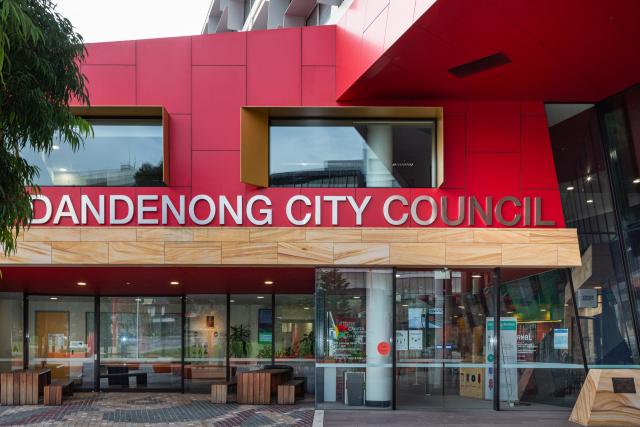
A WEED of national significance has reared its unwanted head in Greater Dandenong.
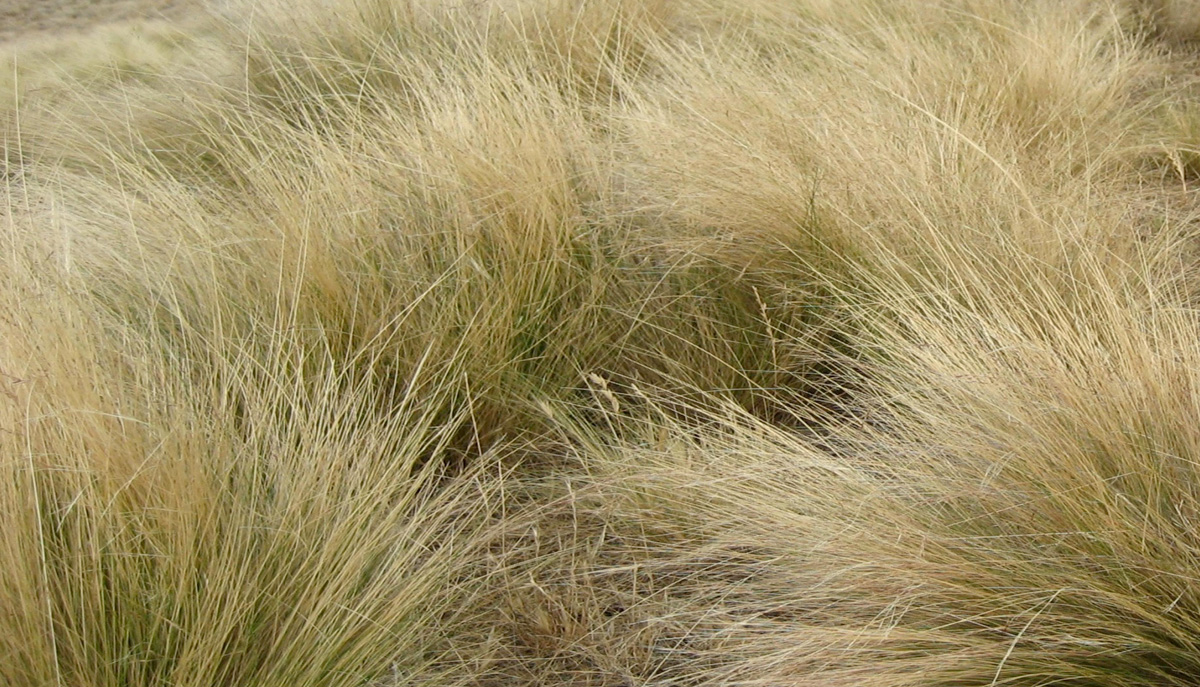
Serrated tussock, an innocuous-looking South American grass that can spread rapidly over long distances, covers about 820,000 hectares in Victoria — mainly in the western plains.
Last week, the Department of Primary Industries reported an infestation on public land in Greater Dandenong.
The department rates it as one of Australia’s worst weeds, though it has been contained to 36 recorded sites south and east of the Yarra River. Many of the sites have been contained to several clumps of the weed and are annually monitored by the DPI.
“The land managers responded immediately once aware of the infestation [in Greater Dandenong], undertaking control and cordoning off the site to allow future management,” DPI biosecurity officer Larry Martin said.
“Measures have also been put in place to prevent further spread through the movement of material contaminated with seeds by maintenance vehicles and pedestrian traffic.”
Each plant can produce more than 140,000 seeds a year, which can spread up to 20 kilometres by wind or by attaching itself to sheep fleece, tractor tyres or firewood.
It is known as an ‘imposter’ grass, which looks like native grasses and can quickly dominate a pasture. Once established, it’s recognised as expensive and difficult to contain.
Ian Kitchen, of Greater Dandenong Environment Group, said the weed was an agricultural menace. Its grasses had no nutritional value, leading to the potential starving or loss of condition in livestock.
“It grows in clumps. If it’s left unchecked, it can spread and potentially replace native species.”
Cardinia Environment Coalition’s project officer Geoff Boyes had faith the weed would not be a problem in the rural frontiers beyond Greater Dandenong.
“Every effort would be made to eradicate it if it did arrive but it hasn’t been seen down here for five years or more. I’d be surprised if it got down here because a lot of effort has been made to eradicate it in other areas of Victoria.”
One potential pitfall was landowners not recognising the “small grass” as a pest, he said.
Details: DPI on 136 186 or Victorian Serrated Tussock Working Party website at serratedtussock.com.
What do you think? Post a comment below.
For all the latest breaking news, stay with this website. Also, follow the Weekly at facebook.com/dandenongjournal or on Twitter @DandenongJournal.