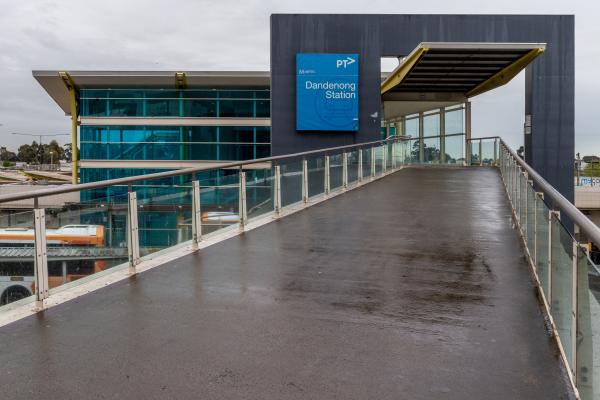
Rail timetable changes are putting Cranbourne and Pakenham line commuters into a reverse spin.
From 1 February, City Loop services are running anti-clockwise all day. Effectively, Cranbourne/Pakenham line services will travel the City Loop in reverse direction.
The State Government says it allows 450 extra train services a week including 90 on the Dandenong rail corridor.
The Cranbourne/Pakenham lines carry 15 new morning and afternoon peak services. Trains run more frequently – every five minutes during morning peak.
Peak services will no longer stop between Caulfield and South Yarra.
Public Transport Minister Ben Carroll said: “This is the biggest timetable change since the opening of the City Loop, and the extra services give passengers in Melbourne and regional Victoria more options to get them where they need to go.”
Opposition public transport spokesperson David Davis said the change was a “con job”, resulting in “slower services” for some commuters.
The reversed City Loop services would force some passengers to catch another line’s service and then change trains at Richmond or South Yarra, he said.
“Andrews has seemingly wasted billions of dollars of taxpayers’ money on transport infrastructure with countless major disruptions to commuters’ travel only to result in metropolitan train services that are now slower and less direct than ever before for many commuters.”
Public Transport Users Association spokesperson Daniel Bowen said every timetable change brought benefits and drawbacks “depending on who you ask”.
“Overall we consider this change to be a step forward,” he said.
“It adds consistency to the City Loop, allows more trains to run, and cuts waiting times and crowding both at peak hour and at other times of day.
Mr Bowen said services ran at least every 10 minutes at most times of the day on the Cranbourne/Pakenham line.
“Running the Cranbourne/Pakenham line anti-clockwise through the Loop all day obviously means a longer trip home for some passengers at stations like Parliament, but also means they can more easily get a seat.
“It means a quicker trip for people boarding at Flinders Street, which is Melbourne’s busiest station.”