DANDENONG STAR JOURNAL
Home » Council won’t force cost of cuts

Council won’t force cost of cuts

By CAMERON LUCADOU-WELLS

GREATER Dandenong Council will not follow the lead of other councils for mandatory desexing of pet cats and dogs due to a lack of “conclusive” evidence.
Councillor Roz Blades said she was “a bit surprised” by the report’s findings, which stated there was no “scientifically-based research” the practice reduced numbers of euthanased unwanted animals in Victoria.
It also found the subsequent extra registration cost – up to $64 for dogs and $43 for cats – could be an “unreasonable burden” on low-income residents.
It could lead to less pet registrations and perversely more euthanasia of lost pets, the report stated.
Cr Blades was concerned by the high euthanasia rates for impounded cats, noting many responsible cat-owners who registered their pets also kept them in at night.
In Greater Dandenong, more than 84 per cent of impounded cats are euthanased – about 75 per cent of those impounds are feral. About 21 per cent of impounded dogs are put down.
“(Cats) can give birth almost as a kitten, from six months old,” Cr Blades said. “We really need a desex program. I think a 12-month review (of the report) is absolutely necessary.”
The council report found in some of the state’s 16 ‘compulsory desexing’ councils, cat impoundments decreased by up to 52 per cent.
However, one of the surveyed councils reported an increase by the same rate.
Councillor Sean O’Reilly said the council won’t be “deploying resources at a hunch” but using evidence.
Cr Blades responded: “The paperwork is not a hunch. What I said was based on the RSPCA’s position”.
Mandatory desexing is supported by the RSPCA, Cat Protection Society and Animals Australia but opposed by the Australian Veterinary Association.
Helen Cocks, animal services executive manager of RSPCA Victoria, said compulsory desexing for pet dogs and cats prevented unwanted breeding, reduced unwanted animals and increased an animal’s long-term health.
She said many of the 160,000 animals taken in by the RSPCA nationally each year were due to unplanned breeding.
“The RSPCA Victoria recommends that puppies and kittens are desexed prior to sale from breeders or pet shops to prevent any unintended litters.
“Research shows that desexed animals can actually live for longer as they are generally less likely to get diseases and certain illnesses.”
Desexing also reduced behaviour problems such as roaming and aggression in males, and mating behaviour and false pregnancy in females, she said.
The Australian Veterinary Association told the council that “owner education is the most effective approach to encouraging owners to have their pets desexed”.
The association however supported the desexing of animals being rehomed from animal shelters.
Digital Editions


More News

  • Young Casey locals take the stage in junior musical of ’Newsies’

    Young Casey locals take the stage in junior musical of ’Newsies’

    In the early hours of a Sunday morning, 43 young theatre enthusiasts are preparing for their junior musical show just three short weeks away — some will be taking the…

  • Club honours donor legacy

    Club honours donor legacy

    A revived community group in Casey has celebrated its official inauguration, honouring the legacy of a local organ donor. The Smart Club of Melbourne Inc. held its inauguration ceremony on…

  • Holden’s heritage may be history, but the memories remain.

    Holden’s heritage may be history, but the memories remain.

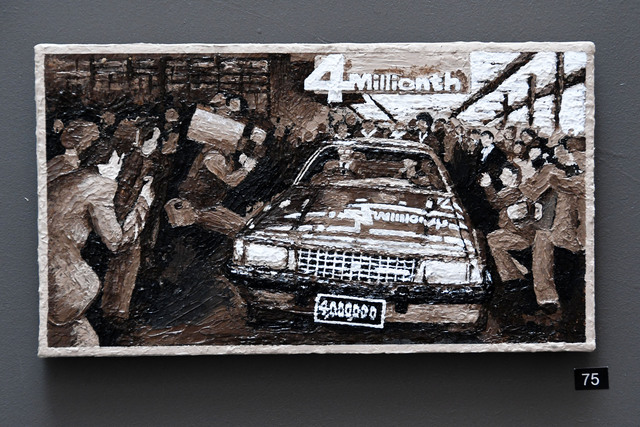
    This year marks 100 years of General Motors Holden – which opened a large assembly plant off Princes Highway, Dandenong South in 1956. The 153-acre site – which featured its…

  • Food charity rocked by petrol spikes

    Food charity rocked by petrol spikes

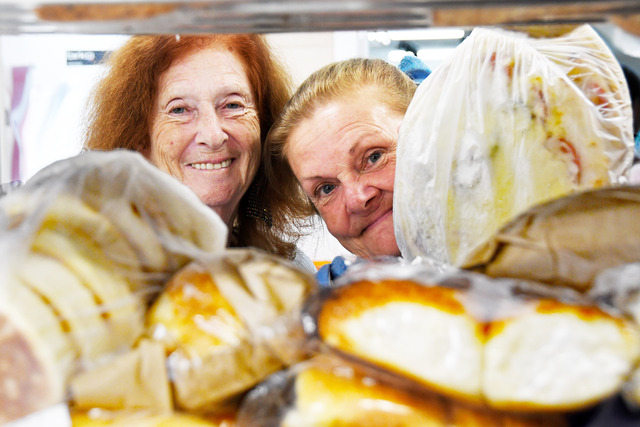
    Fuel price rises are hurting all comers at a free food relief service in Noble Park. As of Sunday 15 March, local unleaded 91 prices were as high as $2.55…

  • Size matters at 9 by 5 exhibition

    Size matters at 9 by 5 exhibition

    Art is writ small at Greater Dandenong’s long-running 9 by 5 exhibition. A much-loved annual fixture, 157 artists from around Australia have submitted diminutive works – no larger than 9…

  • State promises thousands of jobs with new employment precinct in Cranbourne

    State promises thousands of jobs with new employment precinct in Cranbourne

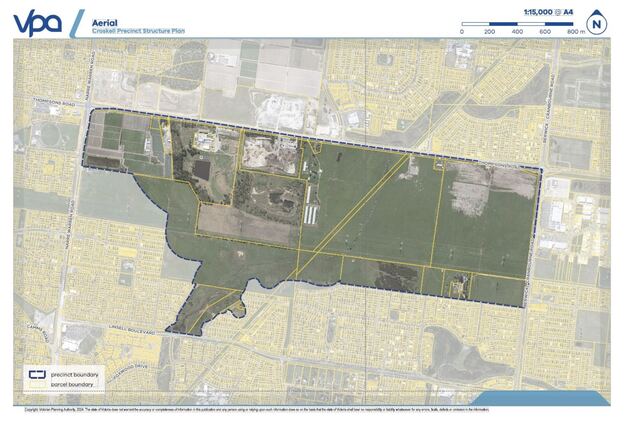
    The State Government plans to deliver fresh promises of more houses and thousands of jobs for the City of Casey. The Allan Labor Government pledges to unlock 6800 locals jobs…

  • Casey council opens naming consultation for new Clyde North facilities

    Casey council opens naming consultation for new Clyde North facilities

    The Casey Council is opening up their consultation period for the naming of a reserve and community centre in Clyde North. With the recreation reserve in Springleaf Avenue currently undergoing…

  • Free fun at Keysborough’s Big Picnic

    Free fun at Keysborough’s Big Picnic

    Pets and ground rugs are going to pack out Wachter Reserve for Keysborough’s Big Picnic. The park party has an expanded program of activities, performers, dog flyball antics, animal display…

  • God is with us and gives us hope

    God is with us and gives us hope

    When things feel heavy, and we are afraid, angry or bewildered, God holds us close and travels with us. The New Testament of the Bible tells how Jesus went out…

  • Looking Back

    Looking Back

    Purchase this photo from Pic Store: 251071 100 years ago 18 March 1926 Local Industry The attention of readers, particularly ladies, is drawn to the advertisement on page 6 by…