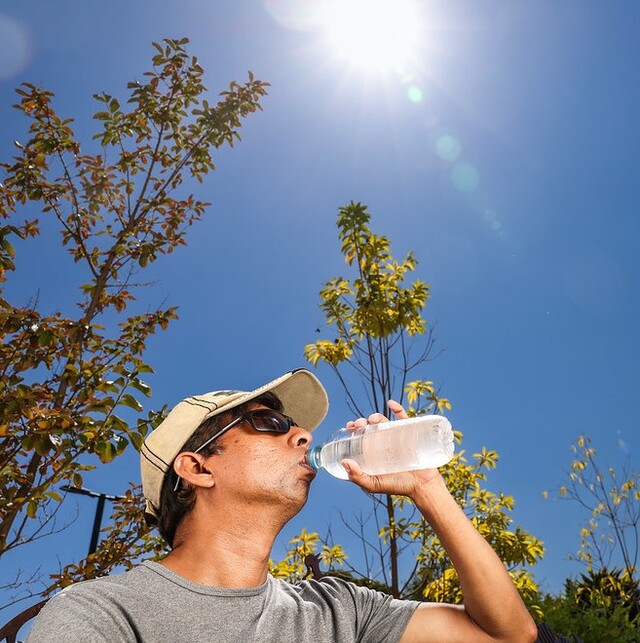
A prolonged heatwave warning is sent out by the Bureau of Meteorology (BOM), sparking fire dangers.
Melbourne weather is forecasted to reach 43C by 6pm today (Wednesday 7 January), the highest to be 44 at 4pm.
After a day of break, temperatures are forecasted to be 40C and above on Friday 9 January, extreme heat and winds are expected.
The Royal Australian College of GPs (RACGP) is encouraging the public to prioritise hydration, rest indoors, and check in on people more susceptible to heat exhaustion and heat stroke.
RACGP President Dr Michael Wright said that high temperatures pose many health risks.
“As Australians, we’re accustomed to hot weather; however, we must not underestimate the serious health effects that can occur – even for young and healthy people.
“Heat waves have caused the most hospitalisations related to extreme weather over the last decade, and the risk of hospitalisation increases with age.
“If someone cannot seek reprieve from soaring temperatures this can place an enormous strain on their body.
“It’s also important to check in on friends and family members who are more vulnerable to the impact of heat waves, including older people.”
He advices all to drink plenty of water, stay indoors especially during peak UV hours of 11am to 3pm and to ‘slip, slop, slap.’
It comes following the Bureau of Meteorology warning of a multi-day heatwave covering more than half of the country with temperatures forecast to exceed 45 degrees Celsius in some areas, sparking extreme fire danger.
The Victorian Automotive Chamber of Commerce (VACC) is also urging motorists to take extra care of their vehicles, and themselves, during this period.
VACC CEO Peter Jones said a combination of sensible driving decisions and regular vehicle maintenance can help motorists stay safe during heatwaves.
“Extreme heat puts extra pressure on every part of a vehicles.
“Simple precautions, like limiting travel in peak heat, parking in the shade and ensuring your car is maintained by a qualified technician, can significantly reduce the risk of breakdowns and safety issues.”
High temperatures place increased strain on vehicles, particularly cooling systems, tyres and batteries, increasing the risk of breakdowns.
VACC advises motorists to avoid unnecessary travel during the hottest parts of the day where possible, and to plan journeys carefully.
Parking habits can also make a difference.
Drivers are encouraged to park under cover or in shaded areas whenever possible to reduce cabin temperatures and help protect interior components.