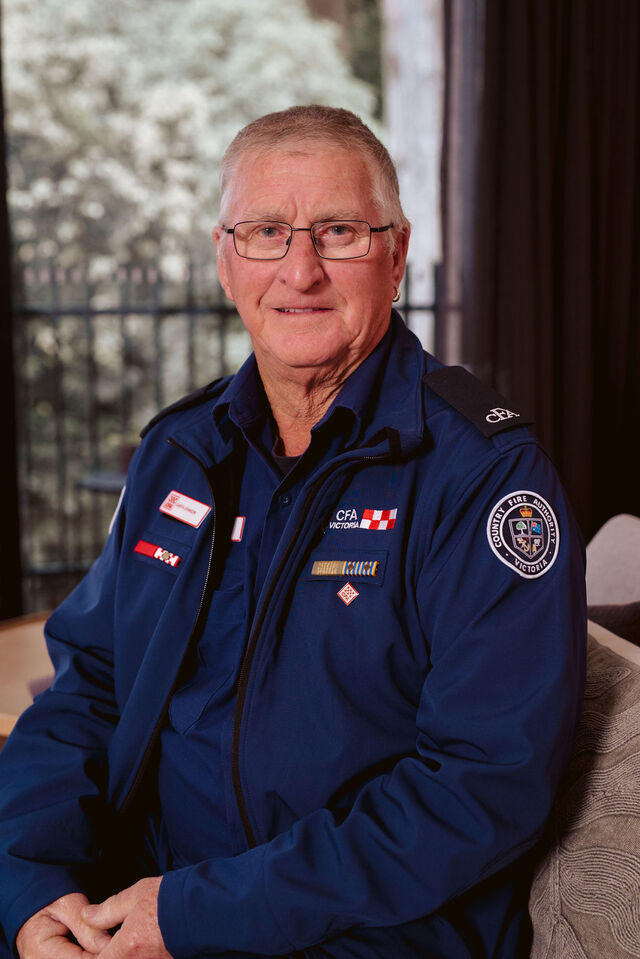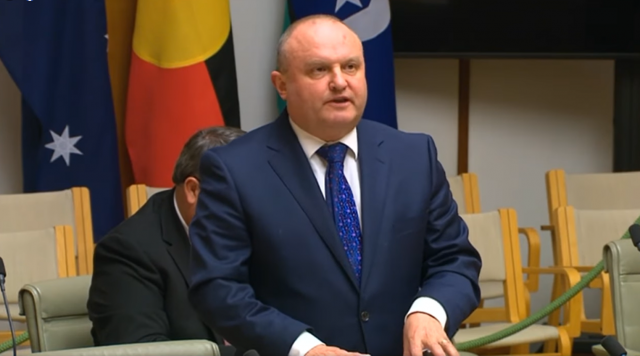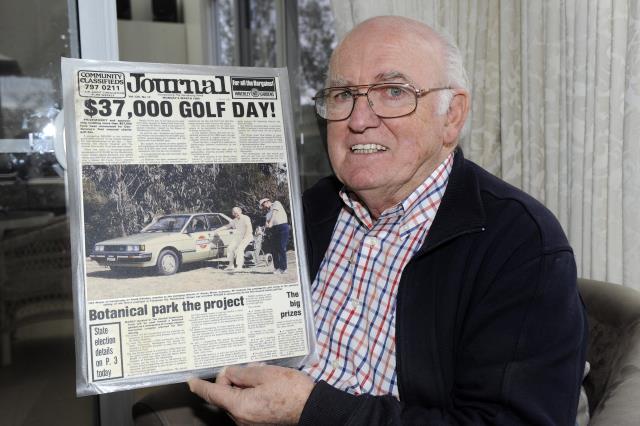
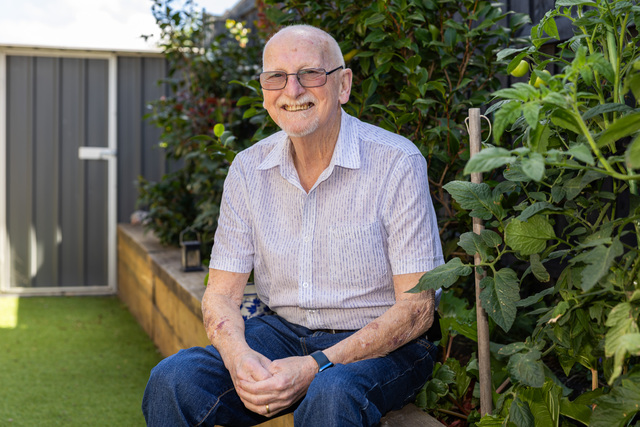
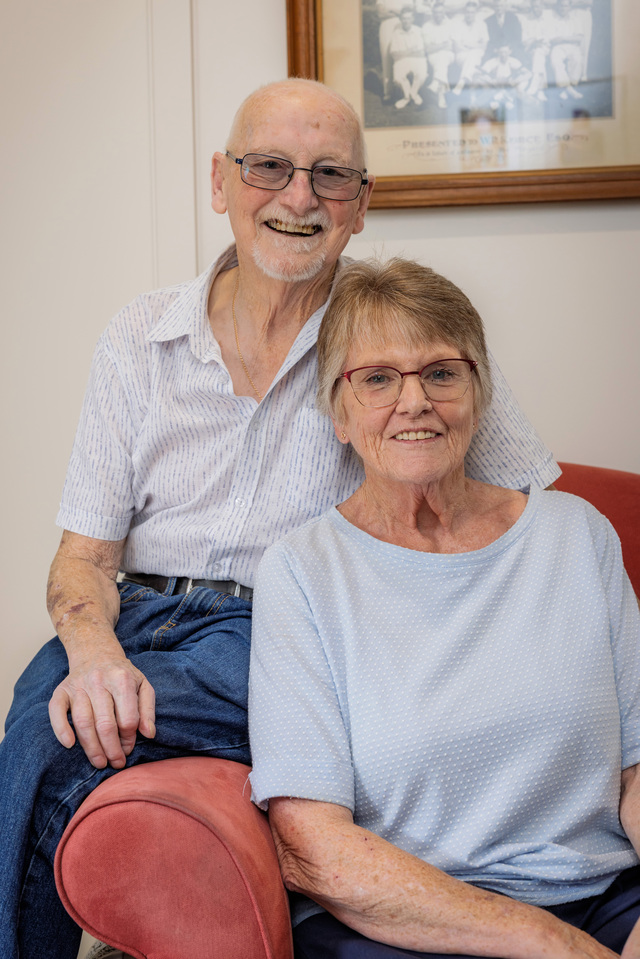
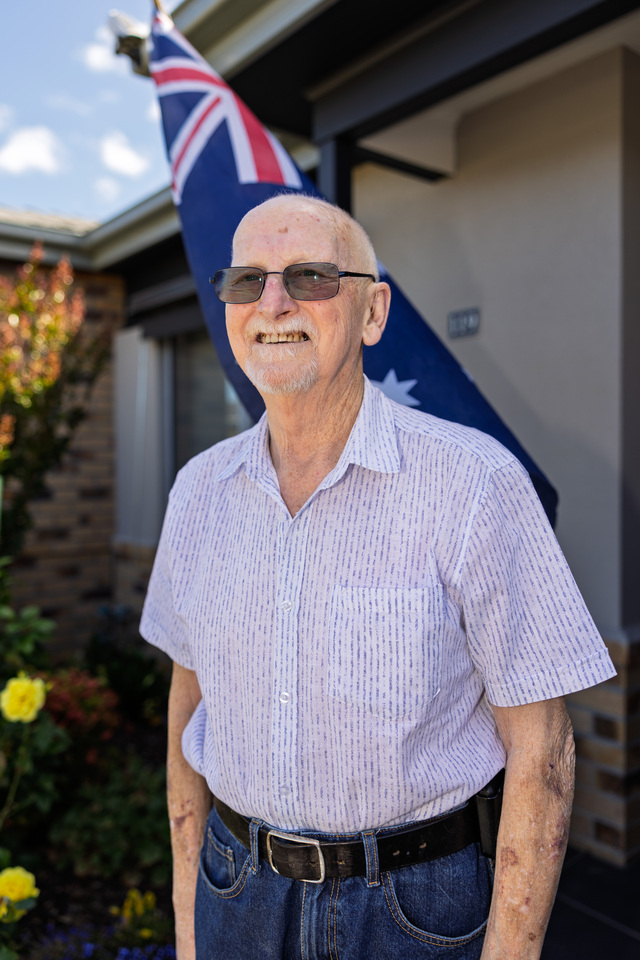
Veteran Langwarrin CFA member Bill Ellis has been awarded a Medal of the Order of Australia (OAM) in recognition of more than six decades of service to firefighting and community safety.
Last year, in September, Bill was just awarded the CFA Outstanding Service Medal for his 64 years of service to CFA Langwarrin, the highest level of internal award. That lifelong commitment to service has now been recognised at the next level with the OAM.
“Firefighting, in my opinion, is 20 minutes of exhilaration, 20 hours of hard work. And two hours of boredom,” the veteran, who resides in Cranbourne West now, said.
“When you’re working on a thing called Rescue, that’s the most important, Exposures, Confinement. Confinement of the fire, Extinguishment of the fire, and Overhaul, which means you’re putting out all the little spots and making it safe completely, so that you can go home.
“As I say, it needs 20 minutes of acceleration, your adrenaline’s running, and then you’ve got two hours of bloody boredom putting all this s**t out.
“To be a good fireman, you have to have adrenaline, but you have to know how to control that adrenaline. Because if you have too much, you do things wrong, and you do some stupid things. So you’ve got to have it, but you’ve got to be able to control it.
“And that’s where old buggers like me come on by, where you can sort of help and lead the younger ones the right way.”
In recent years, Bill has focused on mentoring younger members and sharing the experience he has built over decades of service.
Last year, he stepped back from active truck duties and instead continued supporting the brigade in background roles after ongoing leg issues limited his operational work.
Over his decades of service, Bill attended countless major incidents across Victoria, including some of the state’s most devastating bushfires.
He was involved in operations during the 1983 Ash Wednesday fires in the Dandenong Ranges, then the deadliest bushfires in Australian history, before the Black Saturday fires in 2009.
“They lost a fellow truck full of firemen…I got the job to go and assist the police and the coroner to sort out the firies that had been killed. It didn’t do me any good,” Bill recalled.
“We’ve now got what we call a peer group, which comes around and talks to you, which is good. Back in the day, you had nothing.
“And it was a captain of the time who forced me to go to this memorial at Nare Warren, the shopping Centre. He forced me to go there, and there was something that the Minister said during that lifted it off my shoulders, and I started to become normal again.
“I suffered a little bit over that.”
Bill was also deployed interstate and overseas, assisting with firefighting in Tasmania, New South Wales and South Australia.
Today, Bill is a strong advocate for the CFA’s peer-support model, which encourages firefighters to talk openly about difficult jobs.
He recalled one road accident he went to, where he spent one hour talking to a deceased lady just to convince her husband, who was also trapped in the car, that she was okay.
“The peer group is one of the best things they ever brought in. A lot of people don’t like it, but I still reckon it’s good. We have a lot of debriefs now,” Bill said.
“We debrief when we come in, especially from those rescues, as we drive them back, sit there driving the truck and we’ll be talking about the job.
“Two things, one, it teaches us, and it also releases the tension. We do have a shocking black humour.
“You have a lot of going to a lot of deaths…Your black humour is needed so you don’t go gaga…But you gotta do it. Somebody’s gotta do it.
“It’s got into my blood, and I’m glad I do it.”
Based near Cranbourne, Langwarrin CFA serves one of Melbourne’s fastest-growing corridors and has long been a key rescue brigade for the region.
When Bill joined the brigade in 1961, Langwarrin was still largely rural, and firefighting was considered a community responsibility rather than a volunteer choice.
“Back in the day, Langwarrin was next to no people. They had 36 kids in the school,” Bill recalled.
Back then, the brigade attended only a few dozen fires a year. Today, Langwarrin CFA responds to more than 400 incidents annually, including complex road rescues.
Bill attributed the activity growth to population growth and urban expansion.
“The area’s grown. Publics come in. Won’t say a lot of the public is stupid, but a lot of people, especially those who have come from the city, and have gone, fire bridge, oh, there’s two or three trucks up, they’re paid,” he said.
“But it was really country in the 60s, or even the 70s. And you don’t realise the difference between the Metropolitan Brigade and the Country Fire Brigade. The country was basically, was all volunteers, which we are now as well.”
Over the years, Bill served as an operational officer for more than three decades before stepping into leadership roles.
He said he was lucky because he had grown up with very competent people.
“Like my ex-captains, Terry Shannon, Doug Quilliam, Reg Nelson, even the later ones, they’re quite competent people and learned a lot from them,” he said.
“Learned a lot from the old farmers of the area. If you go to a big fire, the first thing I look for as a crew leader is the locals. I go and talk to them, and half the time they can tell you where the fly’s going to go because they know their area.
“They know where the wind’s going to go. They know the topography of the land.
Despite the medals and milestones, Bill said what mattered most to him was the brigade itself and the people he served alongside.
In August last year, members of the Langwarrin and Hastings brigades were among 24 CFA volunteers recognised with a Unit Citation for Service for their work at an extremely rare and confronting industrial rescue in Hastings.
The award acknowledged their professionalism, teamwork and technical skill in freeing a man who had been crushed and pinned by a 10-tonne roller while also assisting another worker who had become unconscious, an operation that involved coordination with multiple agencies and complex extrication techniques.
“They did great work…I’m proud of them,” Bill said.
“Langwarrin is the best for me. We take it seriously.”