By CAMERON LUCADOU-WELLS
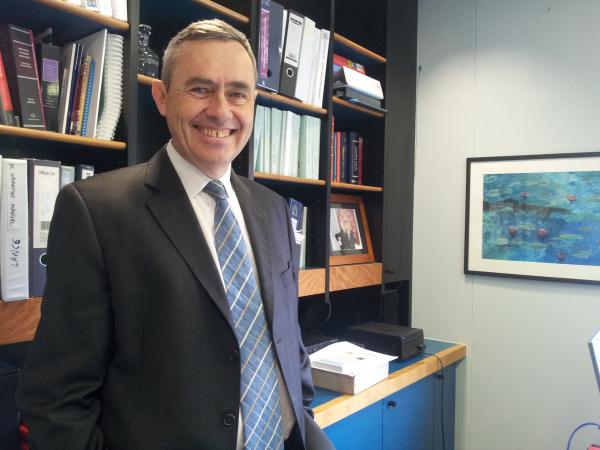
SPECIALISTS are struggling to find effective treatments for “epidemic” levels of the illicit stimulant drug ‘ice’, says the magistrate at the south-eastern-based drug court.
Tony Parsons sits on the state’s only drug court in Dandenong, which oversees 60 offenders in Melbourne’s south-east diverted onto community-based drug treatment orders.
They take part in a two-year intensive treatment and counselling regime as an alternative to a jail sentence.
Five years ago, ice – also called crystal methamphetamine – was barely a factor in criminal cases, Mr Parsons says.
Heroin remains the most common substance abused by the court’s defendants, but half of the drug court’s offenders are using ice and half of those offenders combine heroin and ice.
Mr Parsons says some heroin users take ice because it keeps them awake to enjoy their high; ice users take heroin to help them sleep.
“It’s rapidly making the picture more complicated. It’s epidemic in its proportion.
“It’s become such a common feature in such a short space of time. It’s such a new problem that the therapeutic community haven’t made a lot of progress in treatments.
“We don’t have the tools (such as methadone medication for heroin) because it’s such a new phenomenon.”
Mr Parsons said research into substitute drugs was in its “infancy”, such as trials of the ADHD-medication dexamphetamine in England and New South Wales.
In the court’s program, some offenders were trying anti-depressive medication and cognitive therapy group sessions.
A report by drug research group Turning Point released last year found ice-related ambulance call-outs jumped significantly across Melbourne in 2011-’12.
Call-outs in Greater Dandenong rose from nine in 2010-’11 to 30 in 2011-’12 – the third highest municipality in Melbourne.
In Casey, attendances rose from 11 to 25.
Mr Parsons laments the toll of the “terrible drug” that elicits psychotic, violent and risk-taking behaviour, such as brazen driving not to mention the brain damage that is “rarely 100 per cent” reversible.
“The other research is if you’re a regular user, it takes five to 10 months of abstinence before the effects reverse. That’s why it’s important this order is two years so we can hang onto them.
“It’s a terrible drug. It makes people utterly fearless. They don’t seem to have understanding of the consequences of their behaviour.
“All their inhibitions are gone. It seems to give people the strength of Superman.
“People who take ice don’t sleep. When people don’t have sleep for 10 days, that’s when psychotic behaviour emerges.”
See next week’s Journal for an exclusive report from inside the Dandenong drug court.