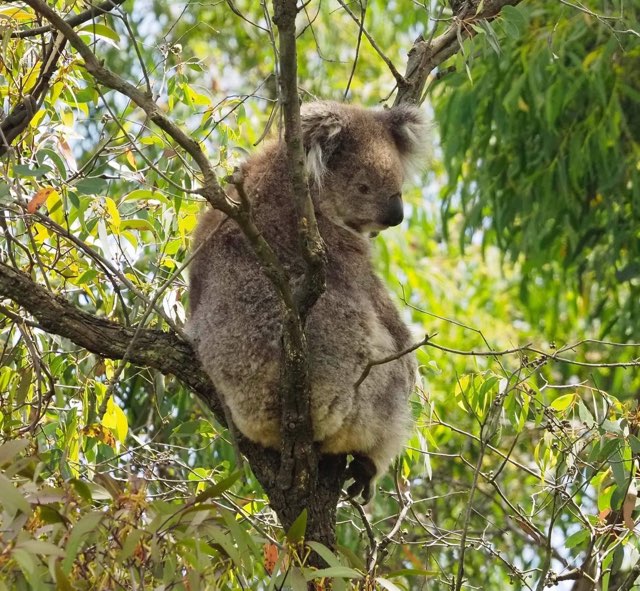
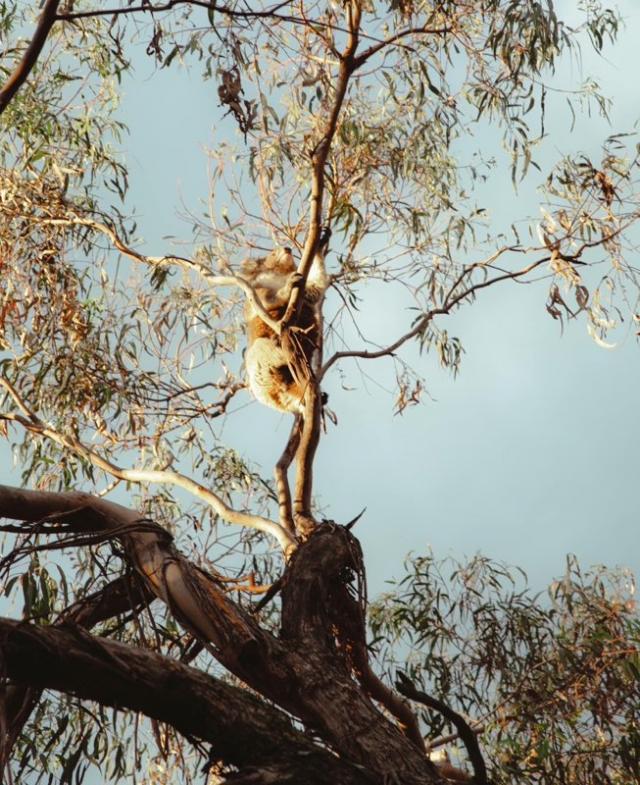
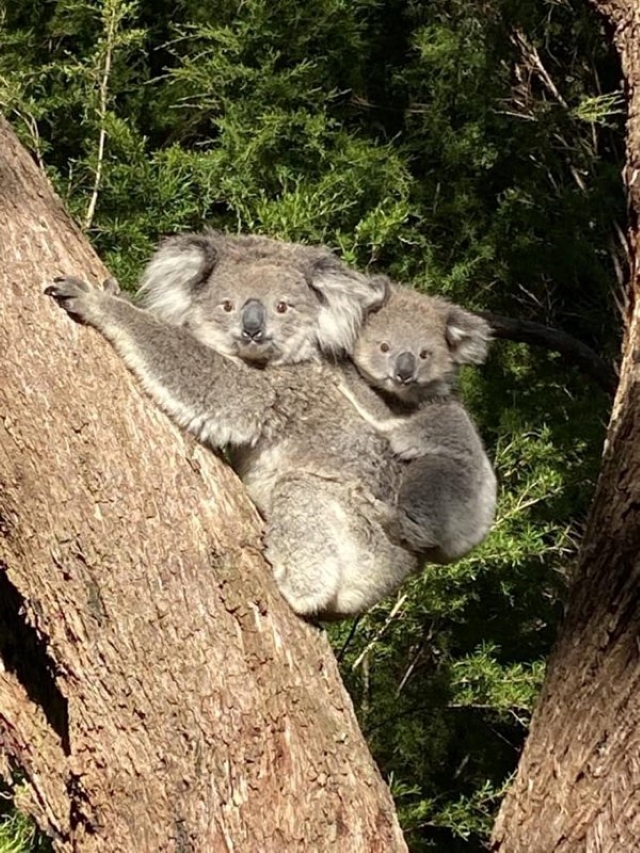


A new project to prevent koalas from becoming extinct in the local area is underway, uniting many professionals and volunteers in efforts to restore habitat for the dwindled population.
As September is Save the Koala Month, more support is needed for the long-term goal of seeing koalas thrive once more across Western Port.
“They are at a real threat of becoming locally extinct if we don’t do something about it.”
Westerport Biosphere’s Koala Project Officer, Kelly Smith believes there are fewer than one hundred koalas around the region of Cranbourne Botanical Gardens.
It must be nice to know there are still numbers of the iconic animal around the southern part of Casey; however, this is a dire situation for local koalas.
“To sustain them into the future, you need 500 with 5000 hectares of koala habitat available, and there’s just not that anywhere,” Ms Smith said.
“It’s not sustainable for them to be moving across the landscape, crossing roads, and they’re just not going to survive.
“The more stress they’re getting because of their loss of habitat, the more diseases they’re prone to and they’re not going to be reproducing. So eventually, what will happen is the population will just become locally extinct.”
Backed by Royal Botanic Gardens Victoria and Moonlit Sanctuary, the Western Port Biosphere is trying to turn the tide of the local koala population and lay the groundwork for securing koala habitat into the future.
Starting in the Pearcedale and Tooradin area, the Koala Corridor Project, led by Ms Smith, aims to rebuild a stretch of habitat along the coast from Hastings all the way down to the Western Port Woodlands of Grantville.
Within its first few years, the project has been busy planting future habitat and surveying existing populations.
It’s a significant logistical endeavour, uniting citizen scientists, green thumb volunteers, many conservation groups and private landowners.
Various properties around the southern part of Casey have volunteered a paddock or a fence line to develop a corridor for revegetation, aiming at about 10 metres thick of future habitat.
“I feel like we’ll probably be here for the next 20 years, really. There’s so much work that needs to be done and more and more properties keep coming on board.”
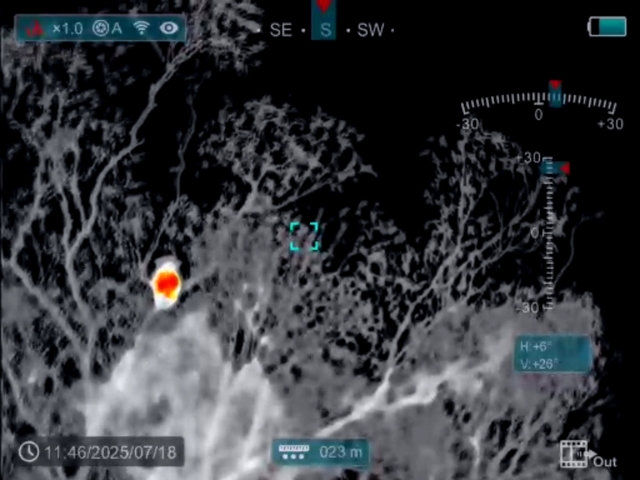
They have conducted surveys using thermal imaging drones in the Royal Botanic Gardens Cranbourne as part of Casey’s Climate Action Living Lab grant program where citizen scientists tallied about 20-40 koalas, considering potential double-ups.
Given the level of vegetation in the gardens, the project is looking to sustain them in the surrounding area by building up paths to enter and exit the gardens, as well as more habitat for them to spread out.
“It doesn’t have to be just gum trees, we plant out gums as well as shrubs and grasses for all wildlife, not just for koalas. In particular, we’re trying to do a lot of grasses for the bandicoots as well, also sheoaks for the black cockatoos.”
The survey in the gardens also found many wombats, sugar gliders, wallabies, echidnas, kangaroos and bandicoots.
The project has also developed a biolink map and submitted it to the City of Casey.
Biolinks are corridors of habitat for native species that can connect them across regions. This map details the links out of the botanical gardens and between the road networks.
It’s hoped such a submission will inform Casey’s future biolink program and development planning.
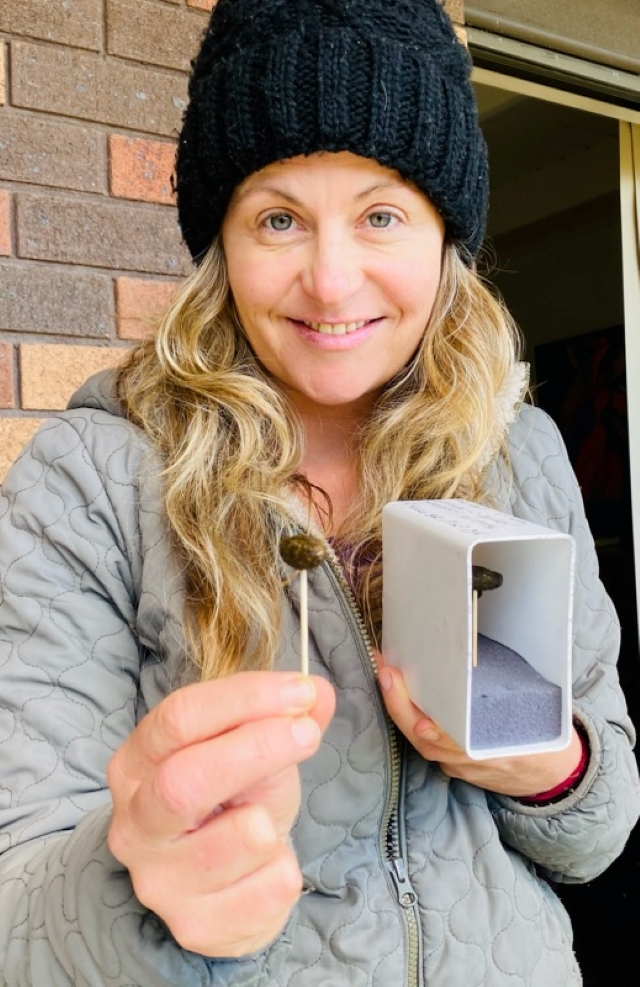
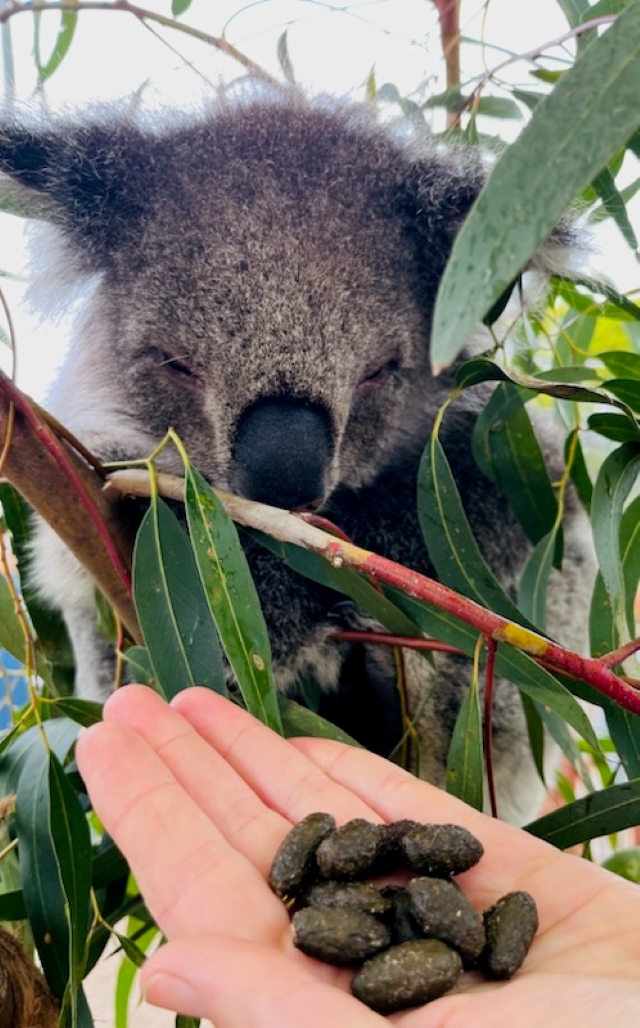
Scat samples are also recovered as part of the project. This can provide vital details about the health of the local population and genetic diversity.
Such work resulted in Ms Smith’s discovery of the koalas, precisely of the vital Strzelecki genome, residing in the Grantville Nature Reserve a few years ago.
The discovery would be critical in kick-starting the corridor project with the biosphere.
The project is also doing work in the Western Port Woodlands, plantings are being conducted by Bass Coast Landcare Network.
Incorporating road safety will be included as well, with hopeful measures such as the installation of more wildlife signs and suggested speed limits in hotspot areas, more of which will be known as studies progress.
“We can put the habitat in, but if we’re not at the same time reducing speed limits, then they just don’t have a chance.”
Like many conservation projects, the biggest barrier is funding.
About 8,000 plants have gone in the ground this year and the aim is to achieve 15,000 next year, building up to a consistent 20,000 each year into the future.
Existing grants and support from Moonlit and Botanic Gardens have helped, but more funding will need to be secured in the immediate future.
Each tree costs $6; it would cost $2.50 without the need for guards against rabbits.
Ms Smith hopes there can be united support from local governments across the many relevant areas, such as Frankston, Casey, Cardinia and Bass Coast Councils.
Whether it’s public or private funds, it will make a big difference for local koalas.
“They are at a real threat of becoming locally extinct if we don’t do something about it.”
If you wish to register your property for planting, volunteer or donate to the project, contact Ms Smith at: kelly.smith@biosphere.org.au